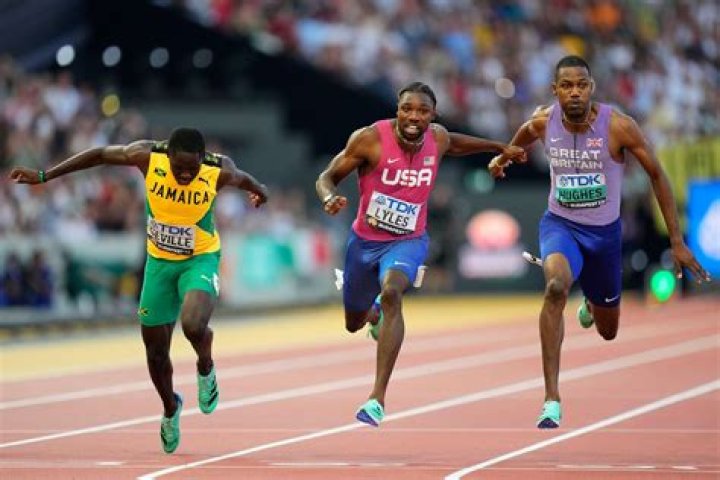
Kinesthetic and tactile learners are children who need body movement and hands-on work. They are often dyslexic, ADD, and ADHD.
What type of learners are ADHD?
Kinesthetic Learners
“These children are often the ones labeled as having ADHD,” says Dr. Stern.
Do kinesthetic learners struggle?
Kinesthetic Learners
People who have a kinesthetic learning style often struggle learning through traditional means and sedentary activities, like lectures and conferences. Their minds simply can't make the connection that they're doing something when listening or observing.
Are kinesthetic learners smart?
Basically, people with bodily-kinesthetic intelligence can learn more easily by doing, exploring, and discovering. One of 9 types of learning styles that make up this theory, bodily-kinesthetic intelligence can often be observed in actors, craftspeople, athletes, inventors, dancers, and surgeons.
What are kinesthetic learners based on?
Definition: A kinesthetic-tactile learning style requires that you manipulate or touch material to learn. Kinesthetic-tactile techniques are used in combination with visual and/or auditory study techniques, producing multi-sensory learning.
42 related questions foundHow do kinaesthetic learners learn best?
The most physical of all the learning styles, kinesthetic learners absorb information best through touch, movement and motion. The word kinesthetic refers to our ability to sense body position and movement. This means that to really understand something, they need to touch it, feel it and move it around.
How do kinesthetic learners memorize?
Kinesthetic learners need hands-on physical work to memorize, such as miming skills as they study and writing down key concepts.
Are kinesthetic learners rare?
Kinesthetic learners are quite complex, and they make up just 5% of the population! This means they are quite rare — and they have a special set of skills that can be a valuable asset in the workforce.
What is a kinesthetic personality?
Kinesthetic learners are your hands-on learners, excelling in tasks that required skilled, coordinated movements of the body.
What famous person has bodily kinesthetic intelligence?
Michael Jordan, Babe Ruth, and I. M. Pei are famous people who have high bodily/kinesthetic intelligence. In other words, they possess the ability to use their bodies effectively to solve problems or create something.
What are the disadvantages of being a kinesthetic learner?
Movers and Shakers: Kinesthetic Learners
Their tendency toward movement, however, is sometimes problematic, as they frequently struggle with sitting still and paying attention. They are often uncomfortable in classes that involve a great deal of reading and lectures and may need to take frequent breaks while studying.
What are the weaknesses of a kinesthetic learner?
Children with kinesthetic weaknesses have trouble learning things through sense of touch – for example, learning the meaning of rough by touching sand paper, or learning smooth from touching silk. Their ability to learn something by "doing it" physically is also weak.
What is kinesthetic intelligence?
Bodily kinesthetic intelligence is the capacity to manipulate objects and use a variety of physical skills. This intelligence also involves a sense of timing and the perfection of skills through mind–body union. Athletes, dancers, surgeons, and crafts people exhibit well-developed bodily kinesthetic intelligence.
Do ADHD students learn differently?
It is a medical condition. Children with ADHD do not learn in the same way that so-called “typically developed” kids learn. If the disorder is not compensated for, the teacher and the student are both destined for frustration and failure.
What is the best learning style for ADHD?
Physical or kinesthetic: With this style of learning (which is extremely common for children with ADHD and other learning disabilities), the child prefers using their hands, body and sense of touch to learn.
How does a child with ADHD learn best?
How Do ADHD Children Learn Best? According to Dr. Zentall, children with ADHD seek change/novelty and high-interest activities. They do best with an engaging active curriculum at school and an active home environment.
What are the strengths of a kinesthetic learner?
Strengths of Kinesthetic Learners
- Great hand-eye coordination.
- Quick reactions.
- Excellent motor memory (can duplicate something after doing it once)
- Excellent experimenters.
- Good at sports.
- Perform well in art and drama.
- High levels of energy.
What are the characteristics of a kinesthetic learner?
Kinesthetic Learners
- Likes physical rewards.
- In motion most of the time.
- Likes to touch people when talking.
- Taps pencil or foot when studying.
- Enjoys doing activities.
- Reading not a priority.
- Poor speller.
- Likes to solve problems by physically working through them.
What percentage of students are kinesthetic learners?
Kinesthetic learners make up just 5 percent of the population and are a bit more complex than other types of learners and communicators.
Can you change your learning style?
No matter which way of learning gives you the best results, it's possible to change the way you study to maximize your learning ability - for example, you don't have to restrict yourself to reading lecture slides if you learn better aurally.
How do kinesthetic learners read textbooks?
Here are 8 things that you can do while studying if you're a kinesthetic learner.
- Take Notes. If you need to read through study material, try taking notes. ...
- Teach Others. ...
- Schedule Frequent Breaks. ...
- Get Active. ...
- Chew Gum. ...
- Create Flashcards. ...
- Listen to Music. ...
- Make Mnemonic Devices.
How can I improve my kinaesthetic study style?
Kinesthetic learning strategies
- Work standing up. ...
- Use small movements to help focus. ...
- Build exercise into your workday. ...
- Use a highlighter and flashcards. ...
- Approach topics creatively. ...
- Use tension and relaxation. ...
- Use role-play. ...
- Consider simulations.
What is a mild kinesthetic learner?
A kinaesthetic learner is someone who needs to be actively engaged in their learning. They are 'tactile' learners who use movement, testing, trial and error and a non-traditional learning environment to retain and recall information.
Is tactile and kinesthetic the same?
Tactile learners and kinesthetic learners are often one in the same. Both of the learners are very hands-on. They learn best by touching, moving, and physical doing. Kinesthetic-tactile learners would rather draw, build, or put something together by trial and error.
What jobs are good for kinesthetic learners?
Career Ideas
- Physical therapist.
- Recreational worker.
- Dancer.
- Actor.
- Farmer.
- Mechanic.
- Carpenter.
- Craftsperson.