When appropriately used, rev matching is more beneficial than harmful. If you intend to use downshifting to bring your vehicle to a complete stop, it will negatively affect your car's drivetrain, causing damage.
Does rev matching damage the clutch?
Rev matching does not burn out your clutch. However, rev matching needs to be executed properly in order for it to work! If the technique is not done well, then you could damage or burn your clutch. Rev matching is actually a technique designed to reduce wear on your clutch during downshifts.
What happens if you dont rev match correctly?
When you downshift on a motorcycle, the engine RPMs increase. If you do it without rev-matching, the engine will feel bogged down and the motorcycle will also lurch forward. This can be avoided by simply rev-matching while downshifting.
What happens if you rev match too high?
When rev matching, if you give too much gas the car lurches forward a bit once you let the clutch out (I.e. if your next selected gear would bring the engine to 2500 rpm, but you revved to 3500 and then let the clutch out).
What happens when you rev match?
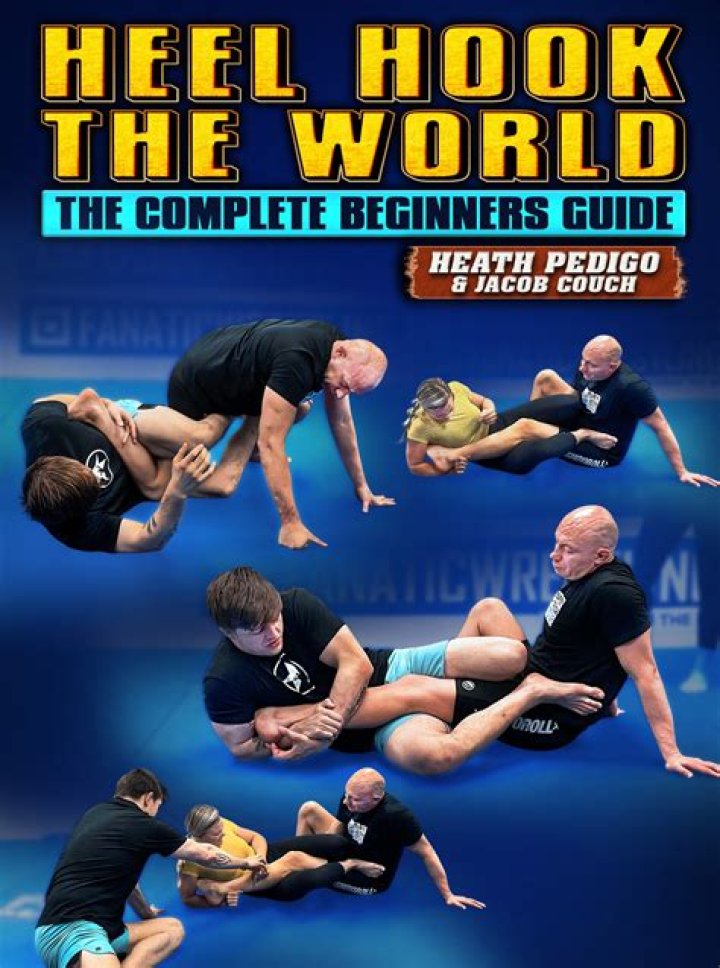
Rev matching, also known as “heel-toe downshifting,” is when you raise the engine speed to match the speed of the lower gear when shifting into it, effectively creating a nice smooth transition. The process sounds easy in theory, but it's tough when it comes to actual execution.
37 related questions foundIs rev matching bad for the engine?
Generally though, no, it isn't bad to rev match as it helps to reduce clutch and engine wear, but only a small percentage of motorists will actually drive this way and their car will still last for a similar amount of time.
Is rev matching hard?
Rev matching or 'sustained gear changing' can be a difficult technique to put into practice initially as it can seem somewhat counter-intuitive. We will go through the various phases of this technique in easy to follow stages, see what the professionals say and answer key questions.
Does downshifting hurt the clutch?
If you are smooth at downshifting and you feel like going through the trouble, you can constantly downshift and release the clutch as you slow down. But even doing that action smoothly won't make your brakes last appreciably longer. Myth #4: It's impossible to be perfectly smooth when engaging the clutch.
What is a granny shift?
Simply put, granny shifting is when you upshift or downshift through the gears of a manual transmission normally. This means that there's not rev-matching or double clutching happening through your shifts, which also means that the car will likely bog when you downshift.
At what RPM should I downshift?
Make sure you only downshift if your rpm's are 5,500 or below that way you can get in the power band range. Add Tip Ask Question Comment Download Step 3: Shifting Shift to the gear before the one you are on. For our example we are shifting from 3rd gear to 2nd.
Is it OK to downshift to slow down?
Contrary to popular belief, downshifting shouldn't be used to slow the car down. That's what the brakes are for. It is the goal of the performance driver to get the downshifts done in a way that doesn't affect the balance of the car.
Can I skip gears while downshifting?
Engineering Explained tackled the common practice in its latest episode and the short answer is yes, it's perfectly OK to skip gears when upshifting or downshifting.
Should I rev match?
Rev matching is used when down-shifting to smooth the transition between gears and prevent shock loads through the transmission. It's a useful skill for the road and track for both cars and motorcycles.
Can you rev match without double clutching?
Even though modern cars have this technology, rev matching can still be useful. Drivers can definitely get away without double clutching in a modern car, provided they aren't changing gears too carelessly.
What happens if you downshift without rev matching?
Downshifting without rev matching puts undue strain on the engine and the transmission, resulting in lurching and bogging down of the engine. Over time this strain can be harmful to your vehicle's drivetrain and can lead to costly repairs.
What's the purpose of double clutching?
The purpose of the double-clutch technique is to aid in matching the rotational speed of the input shaft being driven by the engine to the rotational speed of the gear the driver wishes to select.
How do you master rev match?
To make rev matching easier we want you to focus on a few key points:
- Downshift in the middle of the braking zone.
- Time your blip as you are engaging the shifter into the gear you are downshifting into.
- Crisp blips but we don't need much throttle.
Why is engine braking illegal?
Engine braking is prohibited in some areas because of the loud noise it creates. Typically, when an interstate travels near a residential area is when you will see the signs prohibiting the action.
What can damage a manual transmission?
Never slip your clutch, slipping your clutch is one of the fastest ways to completely destroy your manual transmission. Cut slipping is a term for what manual drivers do when they slowly lift their foot off the pedal to engage the clutch but don't fully engage it and they leave it hovering in a weird gray area.
Is Downshifting better than braking?
In normal driving conditions, engine braking is better for slowing down your car. This way, you won't have to worry about harming the engine, which is way more expensive than replacing the brakes. If you're driving down hills, braking is certainly impractical. In this case, downshifting is the better option.
What goes first clutch or brake?
Wherever you drive – you always hit the clutch first and then the brake even when it's not needed. Remember this that hitting brake without hitting clutch helps you brake quicker because the friction provided by engine aids you in slowing down fast (Read up about Engine braking).
Is double clutching bad?
A: If you drive a modern manual car, you do not need to double clutch. It is no longer inherently good nor bad, though some people would say it makes shifting more deliberate, which extends life.
Is it bad to downshift in a manual car?
Downshifting can be bad for your car, but not if you do it wisely. Don't downshift without first slowing down to a proper speed for that lower gear. It's best to use a combination of your regular brakes and downshifting, when necessary. Just remember not to ride the brakes too heavily or downshift at too high a speed.
Is Downshifting bad for manual transmission?
In short, downshifting does not normally hurt your transmission as long as the resulting RPMs are within the design specifications.