What are pubic lice? Also called crab lice or “crabs,” pubic lice are parasitic insects found primarily in the pubic or genital area of humans.
Are crabs parasites?
Pubic lice — also known as crabs — are small parasites that attach to the skin and hair near your genitals.
Are crabs bacteria?
Carbapenem-resistant Acinetobacter baumannii (CRAB) is a type of bacteria commonly found in the environment, especially in soil and water. CRAB can cause human infections of the blood, urinary tract, lungs, wounds, and other body sites.
What type of infection is crabs?
Pubic (“crab”) lice are not known to transmit any disease. Itching (“pruritus”) in the pubic and groin area is the most common symptom of pubic lice infestation. As with other lice infestations, intense itching leads to scratching which can cause sores and secondary bacterial infection of the skin.
Is crabs a disease or infection?
Pubic lice often get lumped in with sexually transmitted diseases (STDs). That's because people get pubic lice most often during sex. But pubic lice are not an actual disease or infection.
17 related questions foundIs chlamydia viral or bacterial?
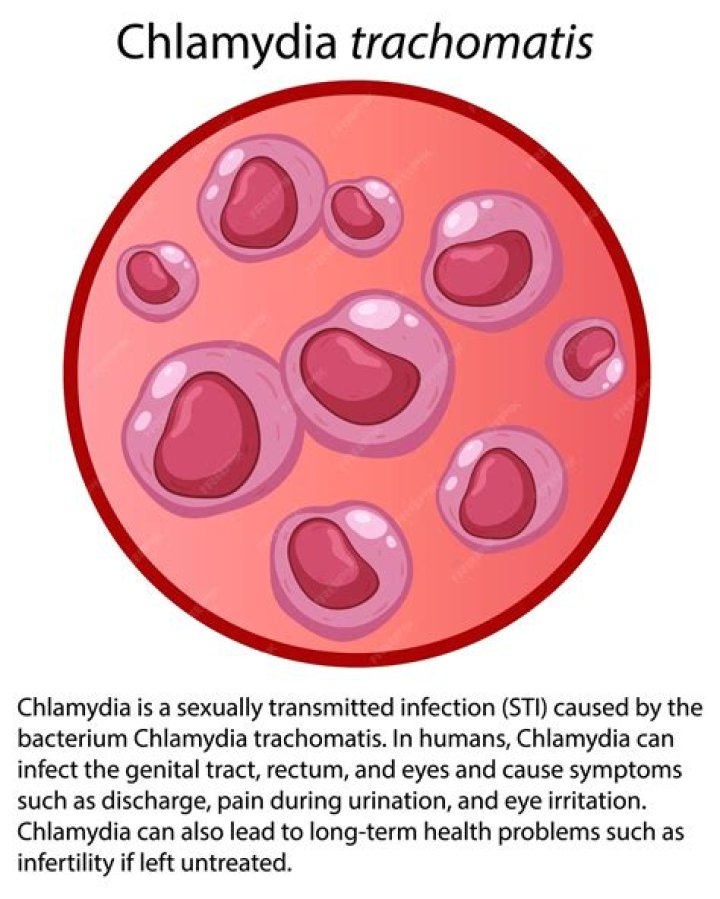
Bacterial infections include chlamydia, gonorrhea, and syphilis. Viral infections include human papillomavirus (HPV), herpes (HSV or herpes simplex virus), human immunodeficiency virus/acquired immune deficiency syndrome (HIV/AIDS) and Hepatitis B.
Is pubic lice a parasitic infection?
What are pubic lice? Also called crab lice or “crabs,” pubic lice are parasitic insects found primarily in the pubic or genital area of humans.
Is there a cure for crabs?
A lice-killing lotion containing 1% permethrin or a mousse containing pyrethrins and piperonyl butoxide can be used to treat pubic (“crab”) lice. These products are available over-the-counter without a prescription at a local drug store or pharmacy.
Is syphilis viral or bacterial?
Syphilis is a sexually transmitted disease (STD) caused by the bacterium Treponema pallidum. It is transmitted from person to person via direct contact with a syphilitic sore, known as a chancre. These sores can be found on the genitals, vagina, anus, rectum, lips and mouth.
Does shaving pubic hair get rid of crabs?
All hairy areas of the body should be thoroughly checked and treated because lice can move away from treated areas to other hairy parts of the body. Shaving won't get rid of pubic lice.
Is a parasite a virus or bacteria?
Parasites are part of a large group of organisms called eukaryotes. Parasites are different from bacteria or viruses because their cells share many features with human cells including a defined nucleus. Parasites are usually larger than bacteria, although some environmentally resistant forms are nearly as small.
Are crabs contagious?
How do I avoid getting pubic lice? Crabs are pretty contagious and spread easily when people's genitals and pubic hair rub together. So the only definite way to prevent crabs is to not have sex. Crabs may seem kind of scary, especially because they spread easily.
What is crab in microbiology?
Emergence of carbapenem-resistant Acinetobacter baumannii (CRAB) and their prolonged presence in burn units increases the risk of acquisition of CRAB.
What are crabs?
Pubic lice, commonly called crabs, are tiny insects found in your genital area. They are a different type of louse from head lice and body lice. Measuring 1/16 inch (1.6 millimeters) or less, pubic lice received their nickname because their bodies resemble tiny crabs.
What happens if pubic lice is left untreated?
If left untreated, you can develop infections from scratching. It can also cause your skin to change color and become scaly and scarred.
What do crabs look like on a girl?
Super small bugs in your pubic hair. You can usually see pubic lice by looking closely, or you may need to use a magnifying glass. Pubic lice are tan or whitish-gray, and they look like tiny crabs.
Is gonorrhea bacterial or viral?
Gonorrhea is a sexually transmitted disease (STD) caused by infection with the Neisseria gonorrhoeae bacterium. N. gonorrhoeae infects the mucous membranes of the reproductive tract, including the cervix, uterus, and fallopian tubes in women, and the urethra in women and men. N.
Is trichomoniasis bacterial viral or parasitic?
Trichomoniasis (or “trich”) is a very common STD caused by infection with Trichomonas vaginalis (a protozoan parasite).
Are spirochetes bacteria?
spirochete, (order Spirochaetales), also spelled spirochaete, any of a group of spiral-shaped bacteria, some of which are serious pathogens for humans, causing diseases such as syphilis, yaws, Lyme disease, and relapsing fever. Examples of genera of spirochetes include Spirochaeta, Treponema, Borrelia, and Leptospira.
Can crabs get inside you?
Crabs can also be passed on in non-sexual ways. For example, it is possible for a person can get crabs from sleeping in an infested bed, using infested towels, or wearing infested clothing.
Do crabs go away on their own?
Common myths about crabs
It should be explained that pubic lice infection does not go away on its own and needs therapy. It may be passed on to others if not treated adequately. In addition pubic lice infestation does not carry the risk of transmitting STIs or HIV from one person to another.
Can pubic lice live in head hair?
Unlike head lice, pubic lice don't live in scalp hair. Pubic lice are spread through close bodily contact, most commonly sexual contact.
How are crabs transmitted?
How do people get crabs? Sexual transmission - You can get crabs when you have skin-to-skin contact with another person. Even when there is no sexual penetration, you can get (or give) crabs. Non-sexual transmission - You can get crabs from sleeping in an infested bed or using infested towels.
What are the 4 bacterial STDs?
Bacterial STDs include chlamydia, gonorrhea, and syphilis. Viral STDs include HIV, genital herpes, genital warts (HPV), and hepatitis B.
Why is chlamydia not a virus?
C. trachomatis was initially thought to be a virus because it is so small that its infectivity is retained after filtration through filters used to separate virus from bacteria at the time [3]. However, it is a bacterium because it synthesizes its own macromolecules.