According to the non-profit trade association Snowsports Industries America, alpine skiing burns approximately 500 calories an hour while snowboarding lags slightly behind at 450. Neither stat includes time spent on the lift.
Is skiing more physical than snowboarding?
You need to be pretty fit to be a good skier or snowboarder. But to begin with, skiing is a bit more demanding on the legs and thighs, whereas snowboarding tends to need more core strength, as the upper body is more involved with turning and balance.
Does snowboarding count as a workout?
Snowboarding provides full-body exercise and helps you burn calories, lose weight, and increase your endurance. It is a great cardiovascular exercise that can strengthen lower body muscles, improve flexibility, boost your mood, and build core muscles.
Is skiing and snowboarding a workout?
Skiing and snowboarding are thrilling activities and great workouts. Both sports are excellent cardiovascular exercises that strengthen the heart. Because they are also weight-bearing exercises, they strengthen your bones as they tone your muscles.
Does skiing count as a workout?
Skiing and snowboarding are great cardiovascular exercises that can help families burn some serious calories and lose weight. The ultimate number burned per hour is based on weight and proficiency, but according to Harvard Medical School, someone who is 185 pounds burns 266 calories in 30 minutes of downhill skiing.
43 related questions foundWhy is skiing better than snowboarding?
Snowboarding is just way better and more stable to challenge the fresh, puffy snow than a pair of skis. Of course, if you are not experienced enough, off-piste ride might be challenging anyways. These off piste rides will make every intermediate snowboarder more open-minded and allow to enjoy the untouched, puffy snow!
Can you lose weight snowboarding?
Yes, snowboarding can definitely help you lose weight. You burn 300 – 500 calories per hour snowboarding, depending on your rigor level. Snowboarding helps build muscles in the quads, calves and abs. You will also see an increase in your overall balance as an added physical benefit.
Is snowboarding Good for abs?
Snowboarding works the leg and abdominal muscles; it also improves balance and is a great cardio workout, says Lefebvre.
Does skiing work your abs?
The balancing and squatting movements also help to make your core muscles stronger. Your abdominal muscles (your core) get a good workout whenever you ski. A strong core helps to improve your posture when skiing and it also helps to prevent back pain.
Does snowboarding or skiing burn more calories?
Meanwhile, Snowsports Industries America (yes, like the enormous convention in Denver each January) estimates that skiing burns 500 calories an hour, while snowboarding is just short of that at 450.
Does skiing burn fat?
Studies have shown that six hours' skiing a day can burn 2,500-3,000 calories on top of a person's normal daily expenditure. However, with a plate of tartiflette or raclette coming in at almost 1,000 calories, it can be easy to negate the fat-burning benefits of a day on the slopes.
Is skiing a weight bearing exercise?
Examples of weight bearing exercises include walking or hiking, running or jogging, aerobics, racquet sports, basketball, skiing - especially cross country, a ski machine, skating, weight training, and even household chores and yard work activities.
Do you burn calories while skiing?
In terms of calorie burning workouts, skiing is an excellent choice, with even a very low-intensity downhill run averaging at 350 calories burnt skiing an hour.
Why is skiing so exhausting?
The main reason that downhill skiing is so tiring is that it engages your entire body. It requires a full-body motion that can be rather intense at times. The steeper the hill, the more muscles needed to fight the gravity, and the more tired you will feel after the workout.
Does skiing make your thighs big?
How downhill skiing makes you fit. The major advantage of downhill is that it's something you can do for several hours at a time, Mr. Tremmel says. In addition, it strengthens both the large- and small-muscle groups, including your quadriceps, hamstrings, gluteals, core and upper body, he says.
Is skiing good for glutes?
The function of glutes is essential for a variety of sports including running and skiing. They are considered the powerhouses that help to not only stabilise the pelvis but aid power when generating movement.
Is skiing a rich person sport?
But despite the availability of deals, a report commissioned in August by the National Ski Areas Association found that skiing in the U.S. has increasingly become a sport for the wealthy.
Why do my legs hurt so much skiing?
Calves are stretched in the flex position
If your calf muscles are already tight, when you flex forwards into your ski position you are stretching these muscles to the max, so if they are not used to it they will eventually become tired and painful.
What muscles do you use to ski?
The main muscles used while skiing are the core abdominal muscles which act as stabilizers, the gluteus maximus (in your buttocks and thigh) which supports your legs movements, your quadriceps for extending the knee and flexing the hip and the hamstring (back of the leg) for flexing your knee up and down, and the foot ...
How many days can you ski in a row?
In general, we suggest a minimum of three days of skiing for a first trip. If you can manage four to seven days, that works well too. If seven days is more than your family can handle, divide your ski trip into two trips. A three-day trip and four-day trip can work well.
Why is skiing the best sport?
1: Skiing takes you to new heights: Literally, ski lifts deliver a birds eye view from the top of beautiful mountains. 2: Skiing has no limits: No matter how good you get, from bunny slopes to the tops of mountains in the Himalayas, skiing slopes can always get harder.
Is skiing addictive?
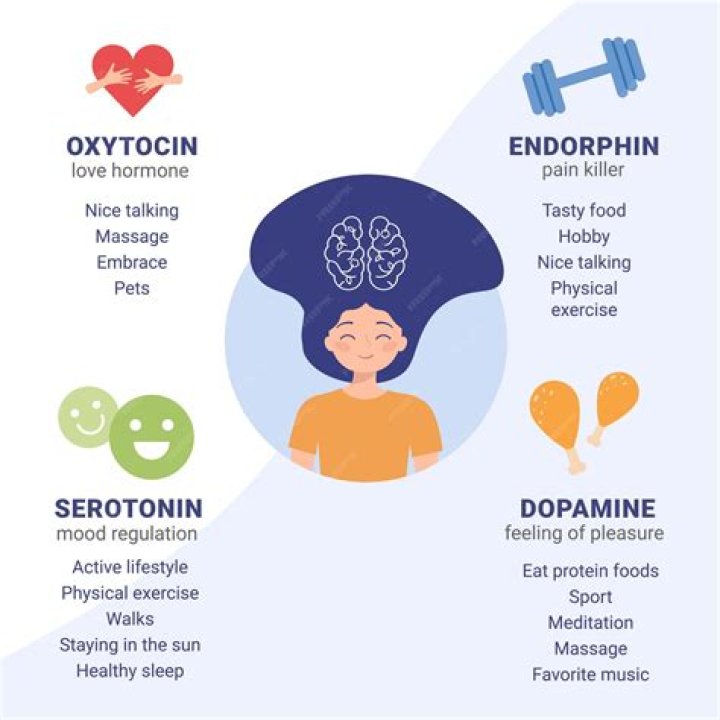
In fact, it is addictive. “The chemical that is likely most responsible for the giddy feeling of skiing powder is dopamine,” says Dr. Cynthia Thomson, a professor of kinesiology at the University of the Fraser Valley in British Columbia.
Is snowboarding easier than skiing?
Skiing Or Snowboarding For Beginners? Skiing is generally easy to learn initially but is harder to master. Snowboarding is harder to learn but reaching an advanced level is easier. Although there are exceptions to this rule, it generally holds true and you can use it to inform your snow sports choice.
What are the cons of skiing?
Disadvantages of Skiing
- Skiing can be exhausting.
- Injuries are rather common.
- Skiing can be costly.
- You may get stuck in traffic before you actually arrive at your skiing destination.
- Skiing can be scary.
- You may need some skiing lessons.
- You will need plenty of equipment.
- Skiing can be time-consuming.
What muscles do you use snowboarding?
Build muscle power.
Get stronger by working on lower body muscles you use most when snowboarding: glutes, quads, hamstrings, thighs and calves.