redness, swelling, or itching of the vulva (the folds of skin outside the vagina) a thick, white discharge that can look like cottage cheese and is usually odorless, although it might smell like bread or yeast. pain or burning when urinating (peeing) or during sex.
How do you know if you have an yeast infection?
Symptoms
- Itching and irritation in the vagina and vulva.
- A burning sensation, especially during intercourse or while urinating.
- Redness and swelling of the vulva.
- Vaginal pain and soreness.
- Vaginal rash.
- Thick, white, odor-free vaginal discharge with a cottage cheese appearance.
- Watery vaginal discharge.
What can be mistaken for a yeast infection?
8 Common Conditions Often Mistaken for a Yeast Infection
- Bacterial vaginosis (BV) ...
- Cytolytic Vaginosis (CV) ...
- Allergic reaction (contact dermatitis) ...
- Genital herpes. ...
- Genital warts. ...
- Trichomoniasis ("trich") ...
- Gonorrhea ...
- Hemorrhoids.
Can a yeast infection go away on its own?
A mild vaginal yeast infection may go away without treatment. If you have mild symptoms, you may want to wait to see if that happens. If you're not pregnant and you know that your symptoms are caused by a yeast infection, you can treat it yourself with an over-the-counter antifungal medicine.
What is the main cause of yeast infection?
The main cause of a yeast infection is the overgrowth of yeast on an area of the body. The yeast species Candida albicans causes common yeast infections, but other species of Candida can also cause an infection. They may need different treatment.
35 related questions foundWhat is the fastest way to get rid of a yeast infection?
What is the fastest way to get rid of a yeast infection? The fastest — and most reliable — way to get rid of a yeast infection is to visit a doctor if you suspect you have one. They will likely prescribe fluconazole, an oral treatment that may take 1 week to get rid of the infection.
Is a yeast infection an STD?
Yeast infections aren't an STD. They aren't contagious, and can't spread to another person during sex. But sexual contact sometimes leads to yeast infections — your body chemistry can have a bad reaction to another person's natural genital yeast and bacteria, which causes yeast to grow.
How long do yeast infections last?
Mild yeast infections may clear up in as few as three days. Sometimes, they don't even require treatment. However, moderate to severe infections may take one to two weeks to clear.
What will happen if a yeast infection is left untreated?
Complications of untreated yeast infections
If left untreated, vaginal candidiasis will most likely get worse, causing itching, redness, and inflammation in the area surrounding your vagina. This may lead to a skin infection if the inflamed area becomes cracked, or if continual scratching creates open or raw areas.
What happens if you treat a yeast infection but don't have one?
If you don't really have a yeast infection, antifungals won't help you get better. They can actually prolong the real problem, because while you'll think you're treating the issue, the real cause will continue to develop.
How can you tell if you have a yeast infection or bacterial infection?
With yeast infections, discharge is usually thick, white, and odorless. You may also have a white coating in and around your vagina. With bacterial vaginosis, you may have vaginal discharge that's grayish, foamy, and smells fishy. (But it's also common for BV to have no symptoms.)
What does Chlamydia look like?
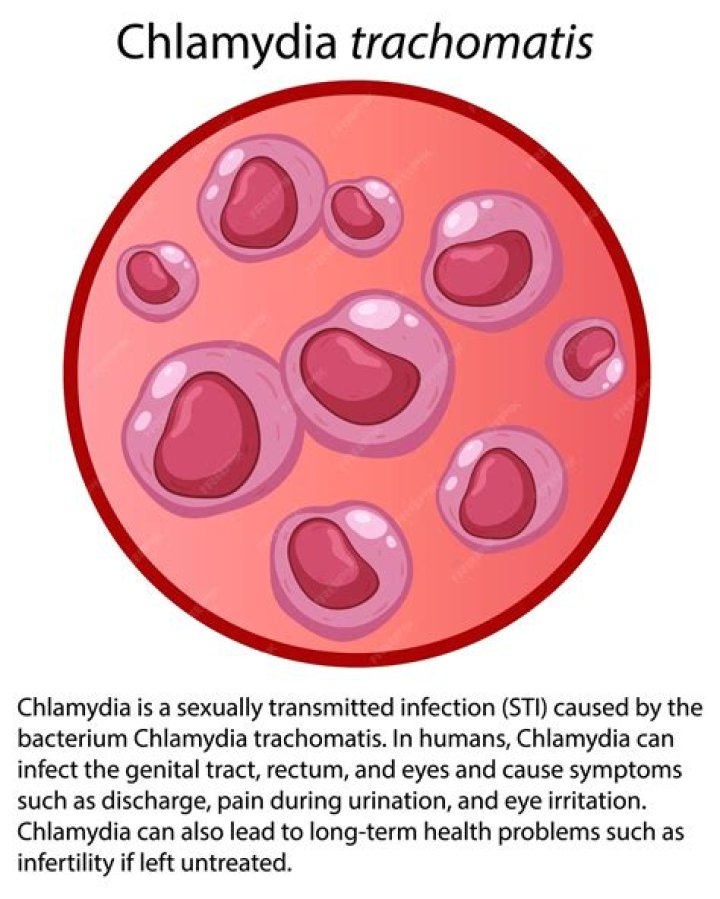
Chlamydia symptoms can include pus-like yellow discharge; frequent or painful urination; spotting between periods or after sex; and/or rectal pain, bleeding, or discharge.
What's the difference between a yeast infection and BV?
They're caused by an overgrowth of microbes in the vaginal area, which disrupts the natural pH levels and causes inflammation (vaginitis). The major difference between BV and yeast infections is the specific microbe that causes them: BV is a bacterial infection, while a yeast infection is a fungal infection.
What are the five signs of an infection?
Signs of Infection
- Increased pain or swelling.
- A foul smell from the wound.
- Pus-like drainage, fever or chills.
- Increasing redness around the wound.
- Red streaks moving away from the wound.
Can a vaginal yeast infection spread?
If you're wondering if you can transmit your yeast infection to a partner through sex, the short answer is: Yes, you can. While it isn't common, it's not rare, either. About 15 percent of men will experience symptoms of a penile yeast infection after sexual intercourse with an infected female partner.
Does a yeast infection smell?
There may be an odor, such as a strong fish-like odor, especially after sex. Yeast infections produce a thick, white discharge from the vagina that can look like cottage cheese. The discharge can be watery and often has no smell. Yeast infections usually cause the vagina and vulva to become itchy and red.
How do you get yeast out of your body?
An effective Candida treatment includes:
- Cutting back on unhelpful foods. As we've already seen, eating refined, high-sugar foods allows Candida to thrive. ...
- Focusing on sleep, exercise, and stress reduction. ...
- Using supplements. ...
- Adding medication when needed.
Why is my Vigina itchy inside?
Vaginal itching is an uncomfortable and sometimes painful symptom that often occurs due to irritating substances, infections, or menopause. It may also occur as a result of certain skin disorders or sexually transmitted diseases (STDs). In rare cases, vaginal itching might develop due to stress or vulvar cancer.
Can a yeast infection spread to your butt?
Anal yeast infections can spread in both directions: They can start in the anus and spread to the penis or vagina and also start in these areas and spread to the anus. The symptoms of an anal yeast infection show up around the perianal area unless the infection spreads to other parts of the body.
How can you test for yeast infection at home?
The doctor will use a sterile cotton swab to retrieve a sample. Then, they'll examine the sample under a microscope to determine whether there's an infection. If you take an at-home pH test, you'll take one of the included pH strips and hold it against your vaginal wall for a few seconds.
What is gonorrhea look like?
Signs and symptoms include anal itching, pus-like discharge from the rectum, spots of bright red blood on toilet tissue and having to strain during bowel movements. Eyes. Gonorrhea that affects your eyes can cause eye pain, sensitivity to light, and pus-like discharge from one or both eyes.
What does gonorrhea discharge look like?
Gonorrhea discharge is white or green. And neither discharge from Chlamydia or Gonorrhea are typically cottage-cheese like. This is an important difference. And neither of these go away without antibiotics, so it's important to see your doctor for treatment if you suspect you may have Chlamydia or Gonorrhea.
How do you know if you have an STD female?
An STI can be indicated by pain or a burning sensation during urination, the need to pee more frequently, or the presence of blood in the urine. Abnormal vaginal discharge. The look and consistency of vaginal discharge changes continually through a woman's cycle or even in the absence of a cycle.
Can a yeast infection turn into BV?
It's possible to have a yeast infection and BV at the same time. If you have symptoms of both conditions, see a doctor for diagnosis.