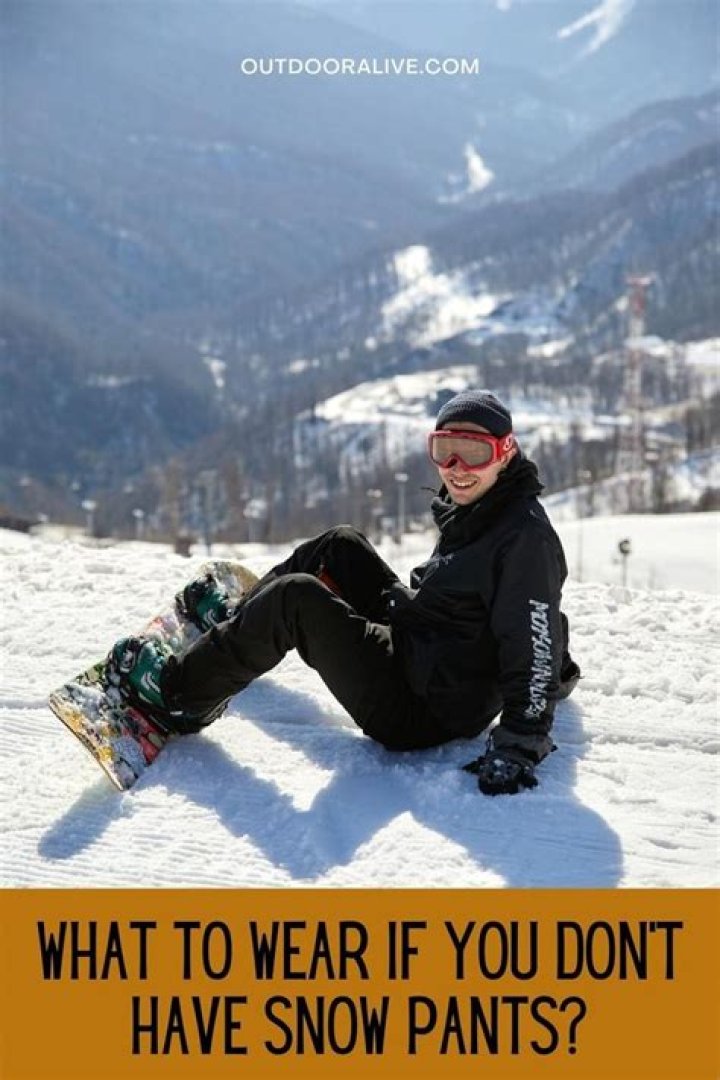
Skiing strengthens all the muscles in the legs, including your hamstrings, quadriceps, calf muscles and the gluteal muscles. The squatting posture in skiing is an excellent position for strengthening the hamstrings and the gluteal muscles.
What muscles are worked in skiing?
The main muscles used while skiing are the core abdominal muscles which act as stabilizers, the gluteus maximus (in your buttocks and thigh) which supports your legs movements, your quadriceps for extending the knee and flexing the hip and the hamstring (back of the leg) for flexing your knee up and down, and the foot ...
What muscles get sore from skiing?
Torey Anderson, physical therapist for the U.S. Women's Alpine Team, recommends skiers target outer hips, quads, and the muscles of the upper back, since these are the muscles that tend to get overworked during skiing.
What muscles need to be strong for skiing?
Strengthen the areas that get worked the most: your quads, glutes, hamstrings and hips. Focus on balance. Work your core and the muscles around your hips, which in turn helps provide stability to injury-prone areas such as the knees.
Is skiing a full body workout?
Whilst skiing provides a full body workout, it provides particular benefit to your legs. When you are skiing, your knees and ankles are required to endure the tension and weight of your body moving across them as you carve your way down the mountain.
28 related questions foundIs skiing a form of cardio?
Downhill skiing is a great cardio exercise for heart health. Skiing boosts circulation and since it is done in the fresh air it will bring large amounts of fresh oxygen into the body. Skiing also burns fat effectively and is a healthy way to lose weight or to keep your weight under control.
Why is skiing so exhausting?
The main reason that downhill skiing is so tiring is that it engages your entire body. It requires a full-body motion that can be rather intense at times. The steeper the hill, the more muscles needed to fight the gravity, and the more tired you will feel after the workout.
Is skiing hard on legs?
You'll likely be able to take it up quicker than snowboarding and get to go farther than the bunny hill on your first day. Skiing can prove a bit more demanding on your legs and thighs. Your boots are angled at the ankle, which will cause you to walk and ski down hills in a constant squatted position.
How do I get my body ready for skiing?
Both cycling and using a stepper are good cardio workouts that also involve some of those ski muscles you are training, but if all you have time for is a little extra running, or even just walking, then that's fine as well. Aim for 20 minutes of brisk-paced cardio at least three times a week.
How do you get ski fit in 6 weeks?
Hello and welcome to the 6 week pre-season ski fitness programme designed to prepare you physically and mentally before you set off on your skiing adventures.
...
For example:
- Day 1 – TESTING.
- Day 2 – Strength.
- Day 3 – Core.
- Day 4 – Rest/Active recovery.
- Day 5 – Intro to Plyometrics.
- Day 6 -Strength.
- Day 7 –Rest/Active recovery.
Why do thighs hurt when skiing?
If you have too much bend in your knees, without ankle flex, then you will use your quadriceps (the large muscle in front of the thigh) to support your weight. And that spells thigh burn.
Why are my legs so sore after skiing?
Ski Training – Sore Legs: DOMS. Post workout muscle pain is also called DOMS: delayed onset muscle soreness. This pain is caused by microscopic tears to your muscle fibers following intense physical activity. It then results in inflammation of the muscles, which will need a few days to recover.
Is skiing hard on your hamstring?
Remember, when it comes to skiing, we very rarely 'fully contract' the hamstrings (heels touching your butt), so like the quads, its more important to work on 'destabilisation' and slowing down the 'eccentric' phase of your exercises. Inner and Outer Thighs. Your inner thighs work hard to keep your skis together.
Is skiing good for glutes?
The function of glutes is essential for a variety of sports including running and skiing. They are considered the powerhouses that help to not only stabilise the pelvis but aid power when generating movement.
Is skiing a good way to lose weight?
Skiing and snowboarding are great cardiovascular exercises that can help families burn some serious calories and lose weight. The ultimate number burned per hour is based on weight and proficiency, but according to Harvard Medical School, someone who is 185 pounds burns 266 calories in 30 minutes of downhill skiing.
Is skiing a good core workout?
“It has positive effects on the heart and circulation, as well as peripheral muscles—predominately the legs.” In terms of working your heart, Niebauer's research has shown that downhill skiing roughly equates to cycling or rowing workouts.
Do squats help with skiing?
Squats are the ultimate ski fitness exercise. They strengthen the legs and bum, and are an easy way to mimic the skiing action and thigh burn at home. They can also help to improve your coordination and balance.
What is the fastest way to get in shape for skiing?
Some common cardio workouts to get in shape for skiing include running, biking, the stair climber, and the elliptical. Ideally, these cardio work outs should be done for at least 30 minutes two to three times per week. Be sure to pick forms of cardio that you enjoy the most and mix it up if you can.
How do you get a ski fit in 4 weeks?
This routine should only take you between 20 and 30 minutes a day 3 or 4 times a week in the run-up to your holiday. Doing a series of 8 exercises for 20 seconds each with a 10 second rest in-between each exercise means you'll be working hard for 4 minutes at a time – the same amount of time as an average ski run.
Why is skiing so painful?
The cause of the muscle pain or cramp after skiing is actually explained quite simply: due to the unfamiliar stress on the body from skiing, individual muscle groups are overstrained and thus we are plagued by good old sore muscles.
What's harder snowboarding or skiing?
Skiing is generally easy to learn initially but is harder to master. Snowboarding is harder to learn but reaching an advanced level is easier. Although there are exceptions to this rule, it generally holds true and you can use it to inform your snow sports choice.
Is skiing a better workout than snowboarding?
According to the non-profit trade association Snowsports Industries America, alpine skiing burns approximately 500 calories an hour while snowboarding lags slightly behind at 450. Neither stat includes time spent on the lift.
Is skiing hard on your knees?
Skiing obviously puts pressure on your knees. The classic legs-bent position channels weight through your Gluteus Maximus, your hamstrings, your quadriceps – and inevitably also your knee joint.
Is hot tub good after skiing?
Warming your body in a hot tub or sauna increases blood flow and allows more oxygen get to your muscles. Experts advise that you wait for several hours before hopping into a sauna or a hot tub after skiing or snowboarding and to make sure that you are thoroughly hydrated.
How many calories does 4 hours of skiing burn?
So in a day (or around 4 hours' worth of skiing), most people can expect to have used up around 1,600 calories.