TLDR; Longer skis have more stability and float better in snow, but they also have a larger turning radius. Shorter skis sacrifice stability (especially at speed) but are quick to respond and easier to make short sharp turns. Short skis turn faster but long skis go faster.
Why do skis have to be so long?
Skis create a large contact area between the skier and the snow. Therefore, the weight of the skier—or how much gravity pulls on him—is spread out over a larger area. The skier presses less on each square inch of snow, and instead of sinking into it he or she can glide over it.
How long should downhill skis be?
The general rule is for your skis to measure somewhere between your chin and the top of your head. With expert level skiers often choosing skis slightly above their head.
Is it harder to ski with longer skis?
The length and waist width of your skis determines how much surface area your ski is touching on the snow. A longer, fatter ski will float more in deeper snow, as well as gain speed faster as your weight is more dispersed along the ski. The tradeoff is that longer skis are harder to control.
Are longer skis easier?
Height and Weight
Weight plays a part, too, because longer skis better distribute mass—especially in soft snow, in which additional surface area adds float. Heavier skiers also have more power to bend the ski, so a longer length will still feel manageable.
17 related questions foundWhat happens if skis are too long?
TLDR; Longer skis have more stability and float better in snow, but they also have a larger turning radius. Shorter skis sacrifice stability (especially at speed) but are quick to respond and easier to make short sharp turns. Short skis turn faster but long skis go faster.
What happens if your skis are too short?
Having skis that are too short to support your weight will have a lack of control, lack of response or rebound, and will not absorb the vibration when at a higher speed.
Are shorter skis more fun?
Shorter skis are great for ease of control. They are lightweight, more maneuverable, and feel more playful. Shorter skis are easier to turn than longer skis. Because of their reduced length, shorter skis have less contact with the snow, and so there is less friction when pushing through a turn.
Are longer skis better for Park?
Length: Typical. It's usually best to stick with a typical all-mountain ski length. Go too short and you'll compromise stability at speed and on landings, but too long and you'll experience excessive swing weight through in-air maneuvers. "Flex is one of the most important parts of a park ski.
Do shorter skis go slower?
Because longer skis generally have a larger turning radius. Therefore, they spend more time in the fall line … which means they can, and do, ski faster than a shorter ski. Shorter skis go slower, and who wants to ski slower?
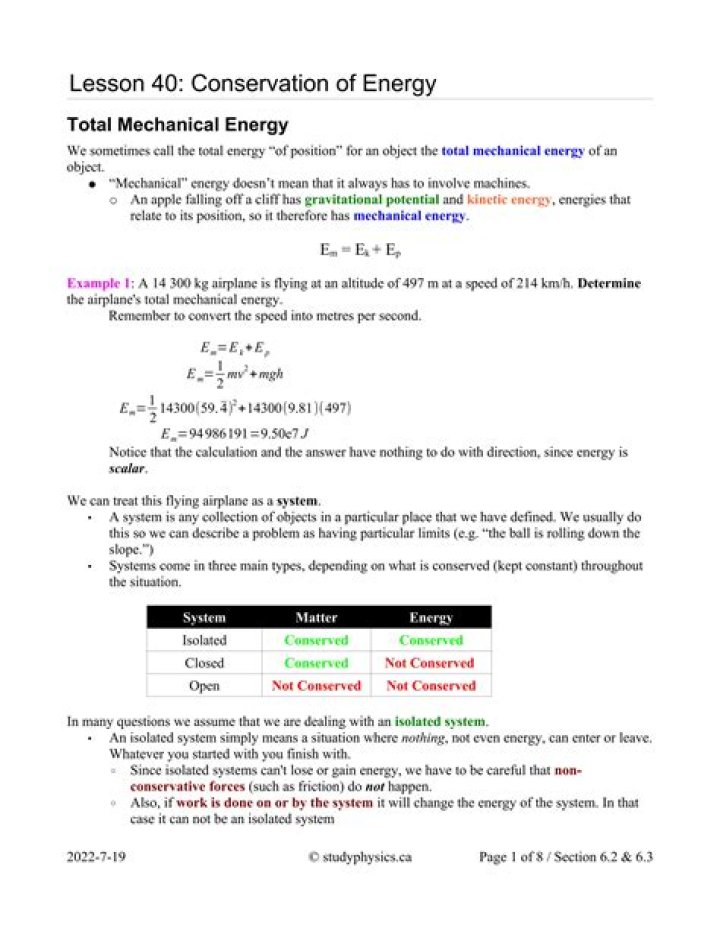
What size skis for 5'9 man?
Your height will be the mid-point of a 30-centimeter range of ski lengths. For example, a 5-foot 9-inch person is about 175 centimeters tall. Assuming nothing else, that individual should probably be seeking a ski somewhere in between 160 centimeters and 190 centimeters long.
What size skis for 6 3 man?
In general, the proper ski length is somewhere between your chin and the top of your head. For example, a skier that is 6' tall will want to look for skis between 170cm and 190cm.
Should your skis be taller than you?
Professional and experienced skiers usually go with skis taller than their heights. But as for the regular or inexperienced ones, it is better to go with skis just a few centimeters shorter than their height. Most professionals recommend getting skis that are tall enough to reach your chin.
Why are skis shorter than they used to be?
The newer ski technology (I guess it isn't really that new anymore) gives you better control due to the parabolic shape (Tip and Tail are wider than the waist). This has allowed skis to get shorter, all while still proving easier and tighter turns due to the shape helping you cut and hold the snow.
Are mini skis easier?
Are Short Skis Better For Beginners? Yes, short skis are better for beginners because they are easy to use. These skis don't have much surface area; as such, they have less material due to their shorter length. That's why they are lightweight, and beginners won't have trouble turning the skis at high speeds.
Is skiing easier than snowboarding?
Skiing Or Snowboarding For Beginners? Skiing is generally easy to learn initially but is harder to master. Snowboarding is harder to learn but reaching an advanced level is easier. Although there are exceptions to this rule, it generally holds true and you can use it to inform your snow sports choice.
Are wider skis better for beginners?
Generally speaking, beginners are going to want a narrower ski. For starters, beginners spend most of their time on-piste, where a wide-waisted ski will feel unwieldy. Narrower skis are also nimbler and are therefore easier to lay over on edge.
Does length of ski matter?
The right length has to do with a skier's height, weight, skiing ability and the ski's shape. Generally speaking, the longer the ski, the more stability it will have at speed, but the tougher it will be to turn quickly. Conversely, the shorter the ski, the easier it is to turn but its stability at speed decreases.
Does weight Affect ski length?
Weight also plays a factor in deciding which skis you'll buy. A good rule of thumb is that, if you weigh less than the average for your height, you should opt for shorter skis. If you weigh more than average, you should opt for longer skis.
Are shorter skis better for knees?
In saying that yes shorter skis will be easier on your knees as there'll be less leverage on them when turning. However you may find it less satisfying & have more trouble controlling them at speed as shorted skis are less statisfying.
Are wider skis more stable?
Bigger skis provide more stability at higher speeds, which makes them safer — and great for beginner and intermediate skiers.
What do twin tip skis do?
A modified version of their alpine counterparts, twin-tip skis are designed to enable a skier to take off and land backward while jumping and to ski backwards (switch) down a slope. The name "twin-tip" comes from the dual shape of the ski.
How long are men's downhill skis?
In an attempt to increase safety, the 2003–2004 season saw the FIS increase the minimum sidecut radius for downhill skis to 45 metres (148 ft) from 40 metres (131 ft), and impose minimum ski lengths for the first time: 218 cm (7 ft 2 in) for men, and 210 cm (6 ft 11 in) for women.